How to Build a Personal Brand Online: A Comprehensive Guide


Understanding Your Unique Value Proposition
Building a personal brand online begins with understanding what makes you unique. Your unique value proposition (UVP) is what sets you apart from others. Ask yourself: What skills, experiences, or perspectives do I bring to the table? Clearly defining your UVP helps in creating a consistent and authentic brand.

Creating a Consistent Online Presence
Consistency is key in personal branding. Ensure that your profiles across social media platforms reflect the same image, tone, and message. Use the same profile picture, handle, and bio. This consistency builds trust and recognition.
Additionally, consider your visual branding. Choose a color palette and font style that resonate with your personality and apply them across all digital platforms. This creates a cohesive look that strengthens your brand identity.
Developing a Content Strategy
A strong personal brand requires a strategic approach to content creation. Identify your target audience and tailor your content to meet their needs and interests. Develop a content calendar to plan and organize your posts, ensuring a steady flow of valuable content.

Leverage different types of content, such as blog posts, videos, and podcasts, to engage your audience. Each format offers unique ways to showcase your expertise and connect with your followers.
Engaging with Your Audience
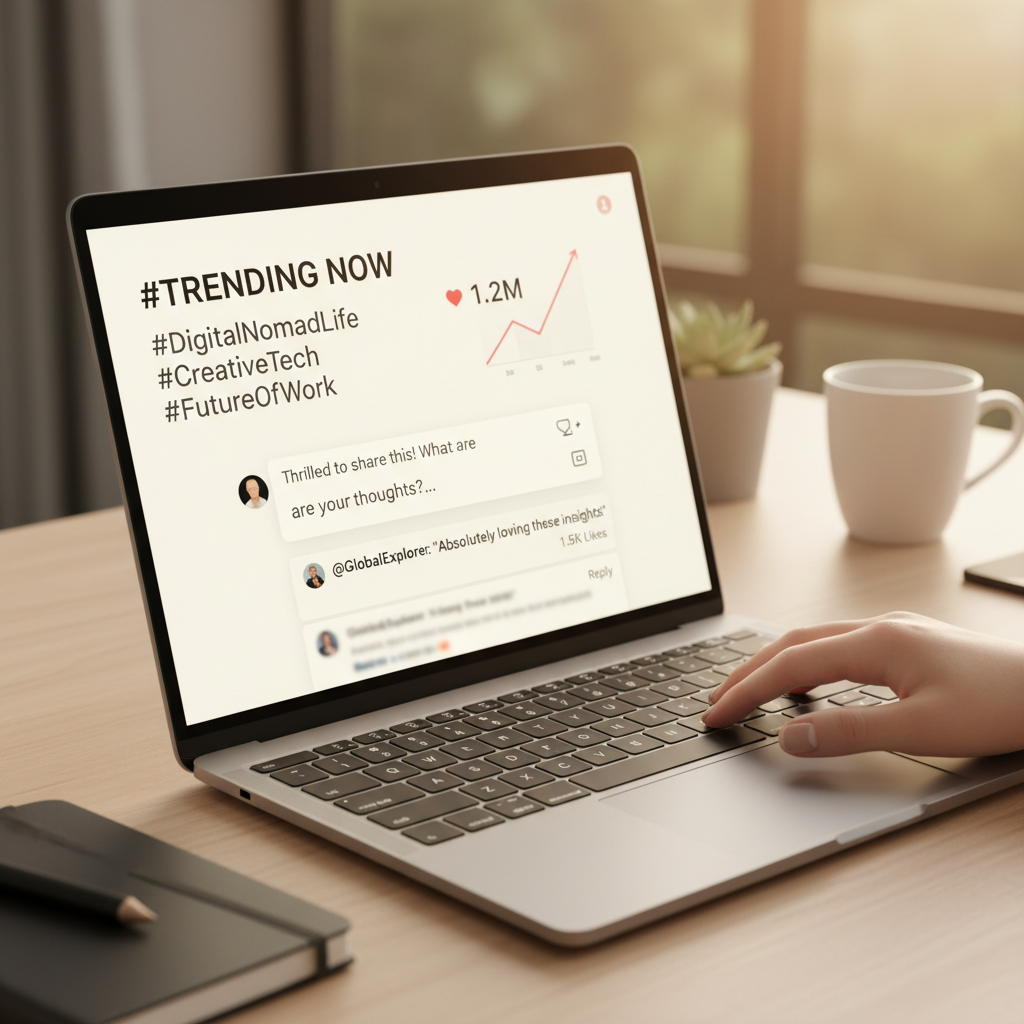
Engagement is crucial for building a personal brand. Respond to comments, participate in discussions, and show appreciation for your followers. This interaction fosters a sense of community and makes your brand more relatable.
Join groups and forums related to your field to expand your reach and connect with like-minded individuals. Sharing insights and advice in these spaces can position you as an authority in your niche.
Leveraging Networking Opportunities
Networking is an essential element of personal branding. Attend webinars, participate in online conferences, and connect with industry leaders. These interactions can lead to valuable collaborations and opportunities for growth.
Don’t underestimate the power of LinkedIn. It’s a powerful platform for networking with professionals and showcasing your achievements and skills. Keep your profile updated and actively engage with content in your industry.
Monitoring and Adjusting Your Brand
Finally, regularly monitor your brand’s performance. Use analytics tools to track engagement, reach, and growth. These insights can help you refine your strategy and make necessary adjustments.
Remember, building a personal brand is an ongoing process. Stay adaptable and open to change as you and your audience evolve.